
Copper Anode Casting Machine Selection
Match anode weight and hourly output to the turntable and ladle count, then confirm weight accuracy, manpower and utility interfaces before fixing layout.
Capacity and Anode Weight Range
All four configurations accept an anode weight of 160–400 kg, so the weight range rarely decides the model on its own. The real constraint is the hourly plate rate and the corresponding tonnage range. State the target anode weight first, then convert the planned cathode output into plates per hour and tonnes per hour. A plant that needs heavy anodes near the top of the range must check crane capacity, ladle size and mould geometry before comparing turntable options.
The Single-Turntable, Single-Ladle Automatic Quantitative Casting Machine is rated 120 plates/h (20–50 t/h). A second ladle on the same disc gives the Single-Turntable, Double-Ladle Automatic Quantitative Casting Machine at 200 plates/h (32–80 t/h). The Double-Turntable, Double-Ladle Automatic Quantitative Casting Machine reaches 260 plates/h (40–110 t/h), and the Double-Turntable, Four-Ladle Automatic Quantitative Casting Machine is rated 400 plates/h (64–160 t/h). These figures are casting capacities; sustained plant output still depends on melt availability and anode take-away.
| Turntable and ladle set | Anode weight | Casting capacity | Control system | Drive mode |
| Single turntable, single ladle | 160–400 kg | 120 plates/h (20–50 t/h) | PLC + host computer | Fully servo-driven |
| Single turntable, double ladle | 160–400 kg | 200 plates/h (32–80 t/h) | PLC + host computer | Fully servo-driven |
| Double turntable, double ladle | 160–400 kg | 260 plates/h (40–110 t/h) | PLC + host computer | Fully servo-driven |
| Double turntable, four ladle | 160–400 kg | 400 plates/h (64–160 t/h) | PLC + host computer | Fully servo-driven |
Use the tonnage range only as a cross-check. A 400 plates/h figure at 160 kg and at 400 kg represents very different metal flow, ladle cycles and crane demand. Ask each supplier to state the anode weight, plate rate and mould count used for its capacity quotation. If the quoted rate assumes an anode weight outside your planned range, the comparison is not like for like, and the layout may be sized around the wrong ladle cycle.
Single Versus Double Turntable
The turntable count changes the number of casting positions that can be served without waiting for a single disc to index. A single-turntable machine is easier to fit into an existing aisle and has fewer mechanical interfaces to coordinate. Double-turntable designs add output and can justify their footprint when the melt shop already produces enough copper and the anode take-away line can absorb the higher plate rate. They also make the most sense where future capacity growth is credible, because adding a second turntable later is rarely a layout-neutral change.
Weight Accuracy and Reject Rate
The quantitative casting system is specified at ±1% weight accuracy on ≥98% of plates. Read that as a weight-control statement, not a total yield promise. Total reject rate also includes cracked anodes, shrinkage, dimensional shortfalls and surface defects, none of which the weight figure captures. Automatic mould temperature control and automatic barium sulphate dry-powder coating are the features aimed at mould cracks, so ask for a reject-rate trial that separates weight rejects from thermal and mould-related rejects.
A plant with tight cathode refining requirements should define sampling and weigh-check frequency before acceptance. The PLC + host computer can record weight data, but the buyer must specify how that data is used: per-plate trend, alarm limits or batch reports. Agree on the action taken when a plate falls outside the tolerance, and include that action in the operating procedure. Without that definition, high weight accuracy may be invisible to operators and maintenance.
Automation Level and Manpower
The four machines are fully servo-driven, hydraulic-free and controlled by PLC + host computer. Automatic quantitative casting, automatic mould temperature control and dry-powder coating reduce intervention at the mould and ladle, but they do not remove the need for melt delivery, mould inspection, anode take-away and sampling. Manpower therefore depends on how those tasks are organised around the machine, not on the machine alone. Plan the operator interface around exceptions: weight alarms, mould temperature deviation, powder-coating faults and ladle cycle faults.
Utilities and Layout Footprint
Utility consumption and footprint are not fixed by the machine model alone, so those values must be sized per plant requirements. Electrical design must cover the servo drives, PLC and host computer, plus the mould temperature-control circuit and dry-powder coating system. Layout should reserve clear access to the ladle, turntable, mould handling and demoulding position and anode take-away, because cramped access turns a maintenance task into a production stop. Put the control desk where the operator can see both the casting position and the take-away, not in a separate room.
For layout approval, draw the melt delivery path, ladle travel, mould change route and anode removal route on the same plan. Confirm that the selected turntable and ladle count can be serviced without blocking the adjacent casting aisle. If the bay is tight, a single-turntable configuration may fit better even when its plate rate is lower; if output is the binding constraint, double-turntable layouts need more space and more coordination.
Selection Sequence for Project Managers
Start with anode weight and target plates per hour, then choose the lowest turntable and ladle count that meets the sustained rate with margin for melt delays. Check weight accuracy data handling, reject definitions and utility interfaces before releasing the layout. For the four configurations above, ZXSZ can quote non-standard designs, but the plant should first fix its melt balance, mould count and take-away route. A practical final check is to walk the proposed layout with the ladle route and mould change route marked; if either blocks the casting aisle, the configuration is not yet fixed.
Related equipment
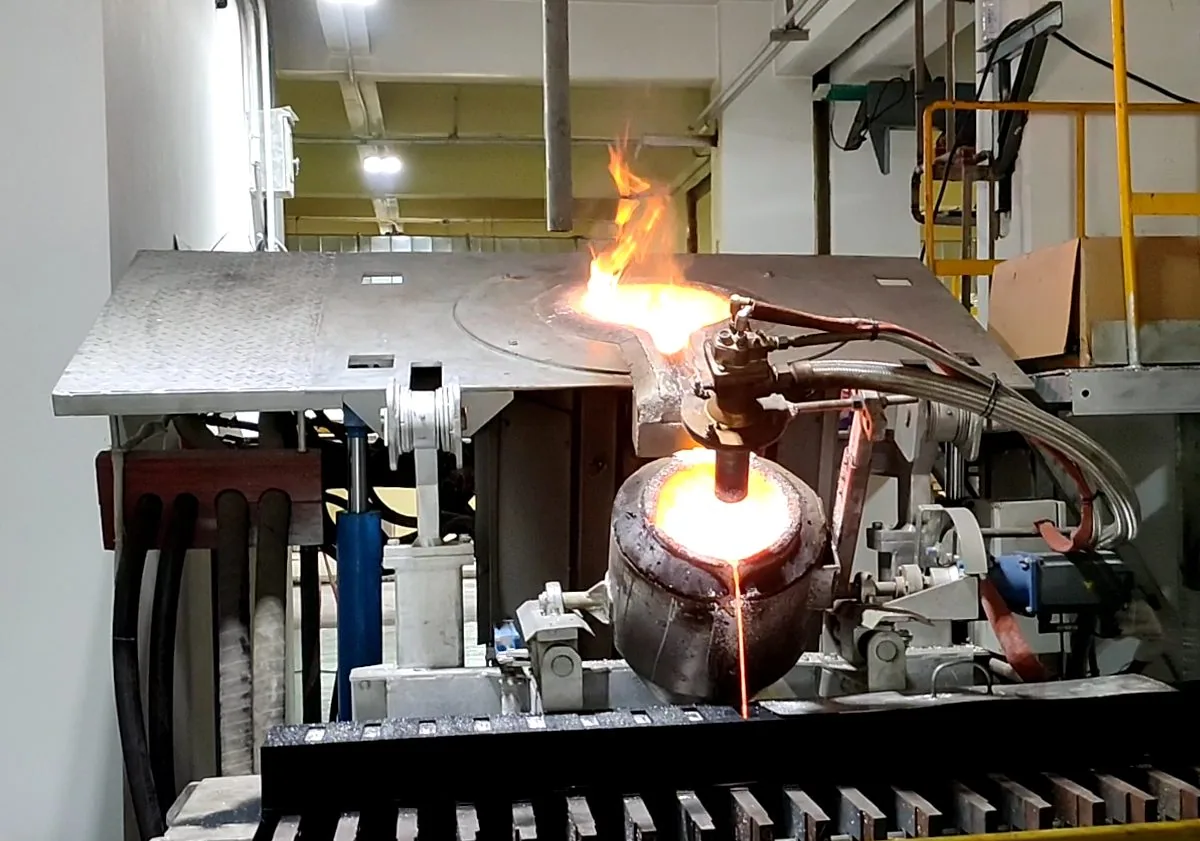
Linear Silver Ingot Casting Machine
For pure silver ingot producers, casting 15 kg ingots: silver powder melting, deoxidation, casting, post-treatment (washing, grinding, marking) and palletising in one line.
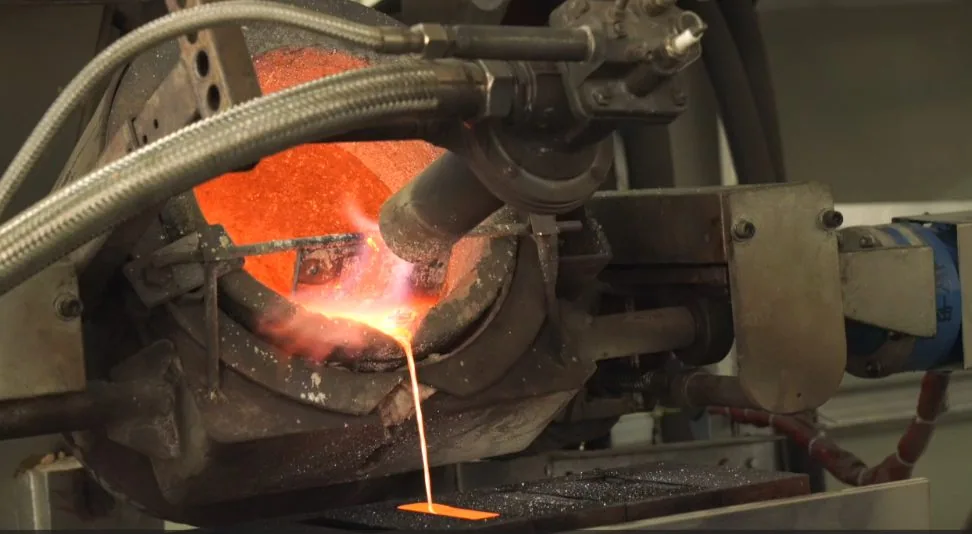
Linear Silver Ingot Casting Machine (15 kg / 30 kg Dual-Purpose)
One machine, two ingot sizes.
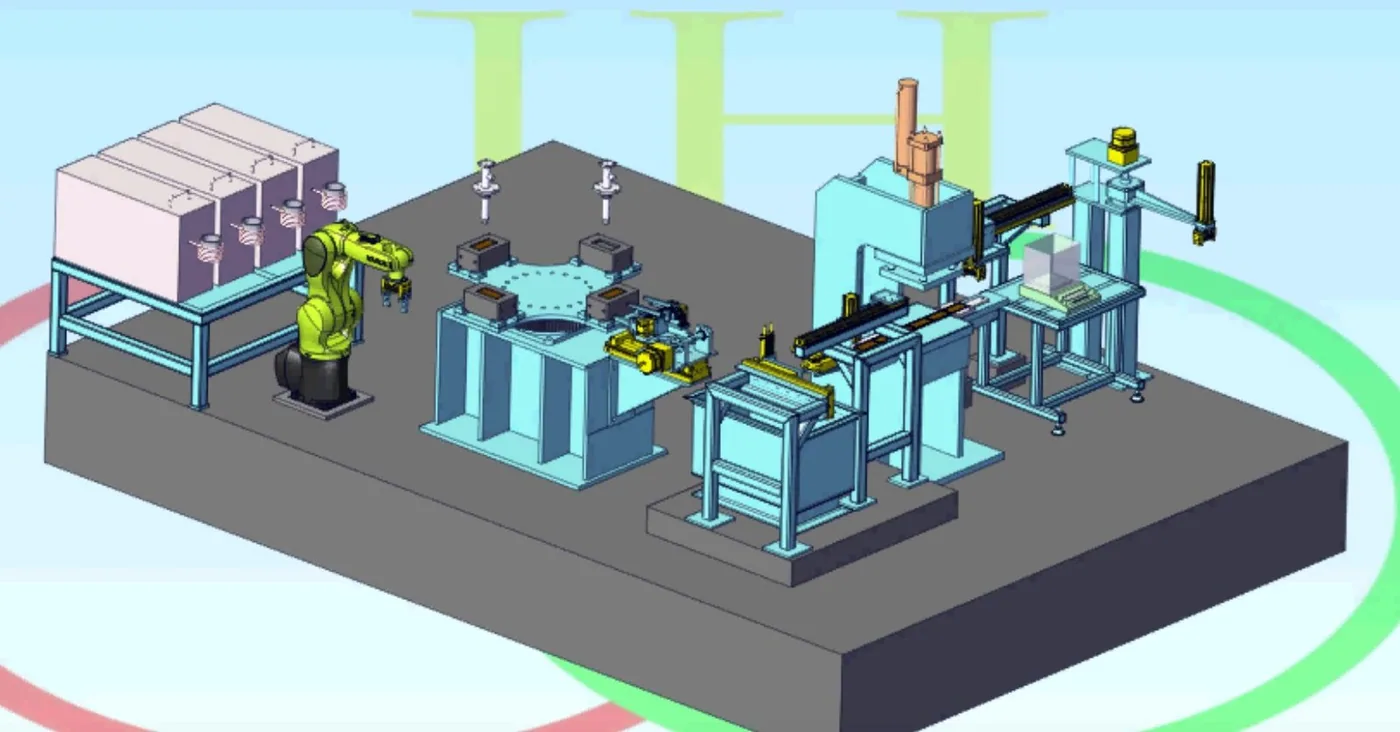
Automatic Gold Ingot Casting Machine
Automated equipment for precious-metal casting, using vacuum or pressure technology for loss-free, oxidation-free ingot forming.
Send us your specification
Tell us the metal, anode or ingot weight, and required output. An engineer will reply within one business day with a configuration and a quotation.