
Gold Refining and Casting Equipment Explained
Refining route, vacuum or open casting, and ingot format decide gold recovery and surface quality; use the checklist to match moulds and melt practice
Refining Routes Before Casting
Gold refining and casting are linked by the same mass balance. Feedstock chemistry decides whether the refinery uses chemical precipitation, chlorination, electrolytic refining or a combination; each route leaves different residual salts, oxygen and trace impurities in the melt. The casting step must accept that feed without adding new contamination. If the refining route produces powder or sponge, melting and deoxidation need more attention than with dense cathode or ingot feed. The project manager should define the feed assay, the acceptable residual impurity profile and the transfer method before choosing casting equipment.
Refining route selection also sets the casting atmosphere. Chlorination and electrolytic routes can leave the metal sensitive to oxygen pickup, while chemical routes may carry flux residues that affect mould wetting and surface finish. A gold room that changes feed frequently needs a casting machine with flexible temperature control and a clean crucible practice. A single-route refinery can optimise the melt cycle around one feedstock, but it still needs a documented changeover procedure when the feed source changes. Those changeover rules belong in the refining procedure, not only in the casting machine manual.
Vacuum Versus Open Casting
Vacuum casting removes oxidation during pour and solidification, so the ingot surface stays bright and the melt is protected from air. Open casting can work for gold, but it relies on cover flux, an inert gas blanket or a short pour time to limit oxidation; each of these adds an operating variable. Pressure casting sits between the two in some layouts, using gas pressure to fill the mould while excluding air. The choice should be made from the alloy, the required surface and the acceptable manual intervention, not from a single headline claim.
| Aspect | Vacuum casting | Open casting | Inert-gas casting |
| Oxygen exposure | Removed from melt and mould | Melt contacts air | Reduced but not eliminated |
| Surface result | Bright without oxide skin | Needs pickling or flux removal | Good with disciplined purge |
| Manual input | Lower once cycle is set | Higher pour and cover control | Medium; depends on gas discipline |
| Format fit | Bars and gold beans | Simple bar shapes | Bars and beans with purge |
| Yield claim | Above 99% on stated machine | Feed and practice dependent | Feed and practice dependent |
The table is a comparison of mechanisms, not a ranking. Vacuum equipment has a higher pump and seal burden, and it needs a leak-tight mould chamber that is maintained. Open casting is simpler to inspect, but the operator must control dross, flame and pour height. Inert-gas casting can deliver clean surfaces when the purge is proven by measurement rather than by gauge setting. For a new gold line, test the chosen atmosphere on the actual feed and verify surface, weight and internal soundness before committing the mould design.
Ingot and Bar Formats
ZXSZ's Automatic Gold Ingot Casting Machine is specified for 1 kg bars, 3 kg bars and gold beans, so format choice should follow the selling unit and the downstream handling. A 1 kg bar is easier to handle and assay in small lots, while a 3 kg bar reduces handling per unit of metal. Gold beans suit granulation or remelting routes and need a different mould or shotting arrangement from bar casting. Multi-cavity versions with two- or four-cavity output raise throughput, but cavity balance and demoulding must be proven on the actual mould set.
Bar mould design must account for thermal contraction, corner radii and the riser or feeder that feeds shrinkage. A flat, open mould gives easy demoulding but poorer control of solidification direction; a closed or restrained mould can improve surface and internal soundness at the cost of more careful draft and release. Gold beans are not a bar format: they require a shotting or granulation step, then screening and drying. The project should freeze the ingot mass, dimensions and edge condition before the mould drawing is released.
Loss Control in Gold Casting
Loss control starts with the melt balance, not with the casting machine alone. Oxidation, crucible carryover, spillage, dross and sampling all remove gold from the declared input. Vacuum casting reduces oxidation loss because the melt and mould are protected, and the Automatic Gold Ingot Casting Machine is stated to give a yield above 99% under its specified conditions. That figure should still be checked against your own feed, crucible condition and operating discipline; it is not a substitute for weighing every input and output.
Open casting needs a different loss strategy: minimise pour height, keep a cover on the melt, skim dross before pouring and return clean spillage to a defined stream. Do not blend floor sweepings or wet material into the melt without drying and assaying. Mould release agents and coatings can contaminate returns, so record what touches the metal. Loss control is therefore a set of measurements and housekeeping rules that surround the casting step.
Selection Checklist
Use a selection checklist that ties the refining route to the casting format. The checklist should expose assumptions about feedstock, atmosphere, mould life and operator skill before a purchase specification is issued. It should also define the acceptance tests: weight, dimensions, surface condition and internal soundness. For a project that changes between 1 kg bars, 3 kg bars and gold beans, the changeover time and spare mould inventory matter as much as the nominal output.
Design Takeaway
Before releasing the mould drawing, fix the ingot mass, the casting atmosphere and the demoulding temperature, then confirm that the chosen Automatic Gold Ingot Casting Machine can repeat that sequence without manual intervention. Treat the stated yield above 99% as a target to verify on your own feed, not as a substitute for a mass balance. If the project needs two- or four-cavity output, prove cavity-to-cavity weight and surface consistency first.
Related equipment
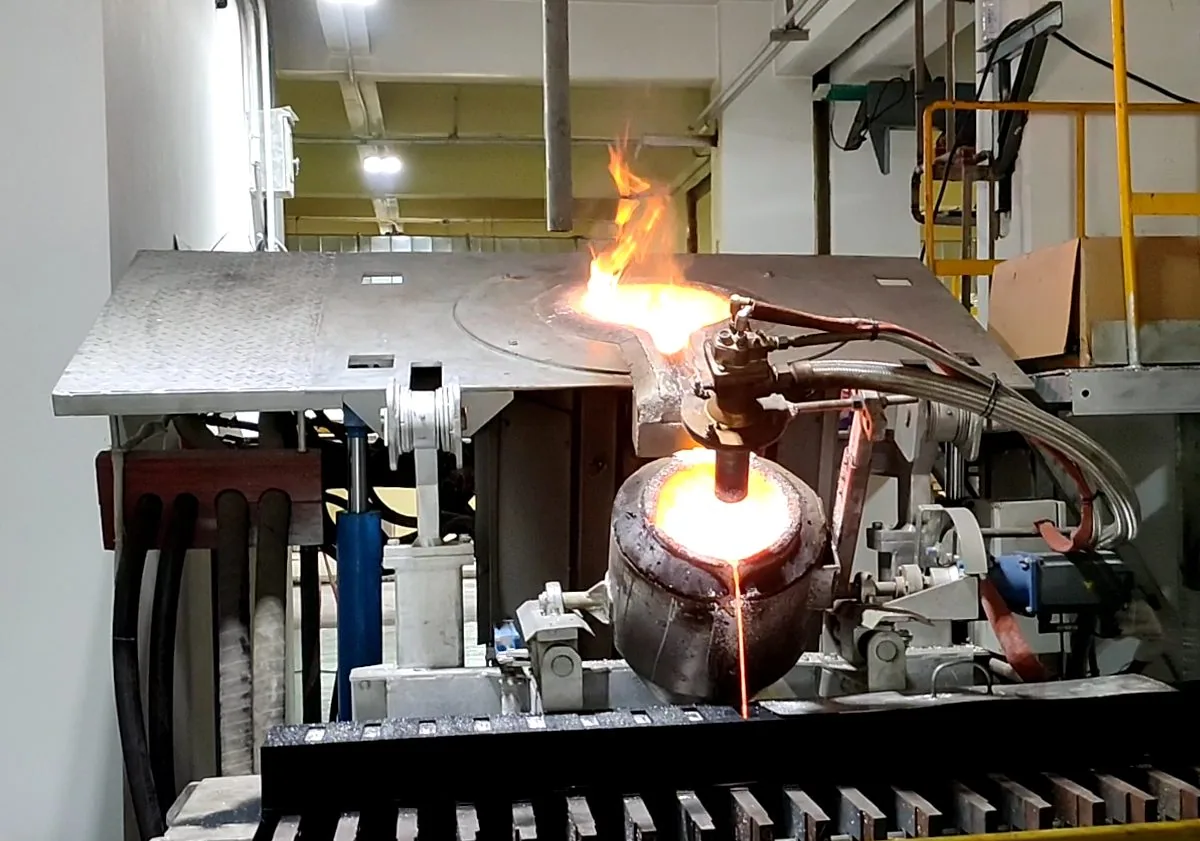
Linear Silver Ingot Casting Machine
For pure silver ingot producers, casting 15 kg ingots: silver powder melting, deoxidation, casting, post-treatment (washing, grinding, marking) and palletising in one line.
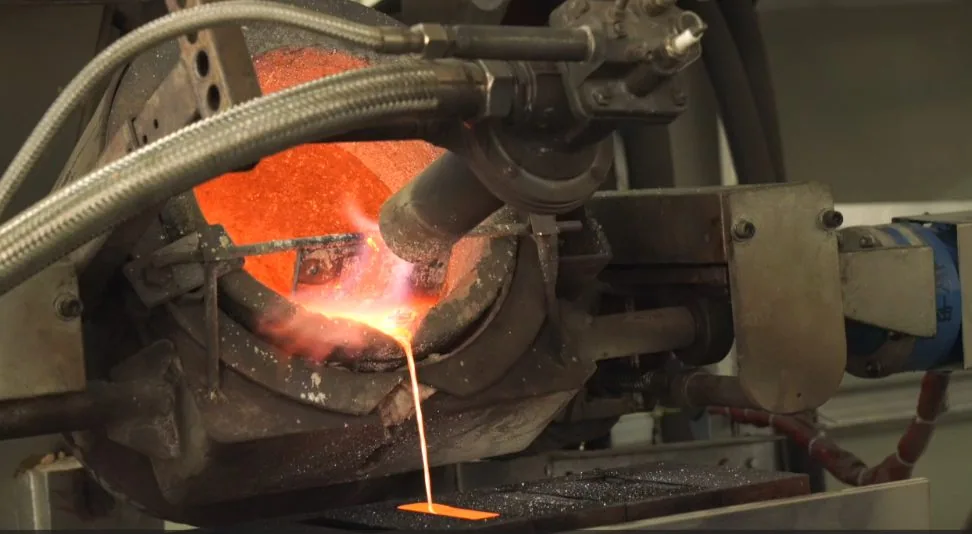
Linear Silver Ingot Casting Machine (15 kg / 30 kg Dual-Purpose)
One machine, two ingot sizes.
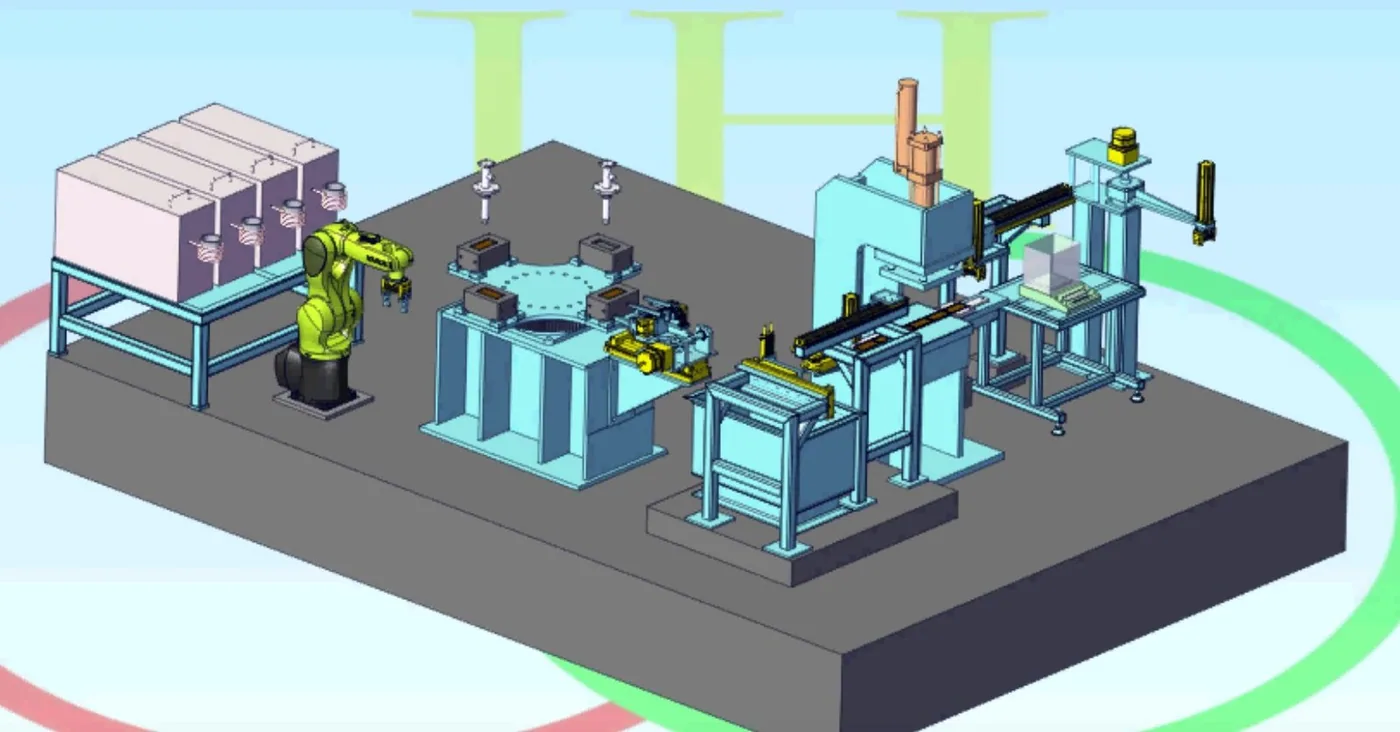
Automatic Gold Ingot Casting Machine
Automated equipment for precious-metal casting, using vacuum or pressure technology for loss-free, oxidation-free ingot forming.
Send us your specification
Tell us the metal, anode or ingot weight, and required output. An engineer will reply within one business day with a configuration and a quotation.