
Turnkey Equipment Supply for Copper Smelters
Scope, drawings, factory testing, installation and after-sales support define a turnkey smelter package; this guide sets out what each stage hands over
Scope of a Turnkey Package
A turnkey package for a copper anode casting line is defined by its battery limits, not by a machine list. It normally covers process design from furnace tapping through quantitative casting, mould temperature control, demoulding and cooling to the weighing and stacking station, plus the PLC and host computer that supervise the line. Furnace refractories, building cranes, the utility substation and effluent treatment belong in the contract as explicit exclusions, because those interfaces are where commissioning delays begin.
The casting line inside the package depends on required output. A Single-Turntable, Single-Ladle Automatic Quantitative Casting Machine casts anodes of 160–400 kg at 120 plates/h. A Double-Turntable, Four-Ladle Automatic Quantitative Casting Machine holds the same anode weight range and reaches 400 plates/h, with four-ladle, two-ladle or single-ladle operation selectable. Charging machines and electrolysis units are normally separate packages with their own battery limits.
| Parameter | Single-Turntable Line | Double-Turntable Line |
| Ladle arrangement | Single turntable, single ladle | Twin disc, four ladles |
| Anode weight | 160–400 kg | 160–400 kg |
| Casting capacity | 120 plates/h | 400 plates/h |
| Weight accuracy | ±1% on ≥98% of plates | ±1% on ≥98% of plates |
| Drive | Fully servo-driven | Fully servo-driven |
| Control | PLC + host computer | PLC + host computer |
| Typical fit | Single furnace, moderate output | High output, multi-furnace |
Engineering and Drawings
Engineering starts with a process mass and heat balance and ends with an approved drawing set. Before layout can freeze, the supplier needs the buyer's anode specification, tapping temperature, available floor area, crane hook height and utility data. Deliverables normally include process flow diagrams, general arrangement drawings, foundation load drawings, utility consumption schedules, electrical single-line diagrams, PLC I/O lists and a written operating philosophy. The link between the machine PLC and the plant host computer should be agreed early, since signal naming conventions rarely match between supplier and plant owner.
Drawing approval is a schedule risk rather than a technical one. Each comment cycle moves the fabrication release date, so the buyer should nominate one engineer with authority to sign. Late changes to anode lug geometry or mould pitch are the most expensive, because they propagate into pattern work, cooling layout and take-away conveyor positions. Comment resolution should be logged against drawing numbers so nothing is closed verbally.
Manufacturing and FAT
Fabrication and machining are tracked against the approved drawings, and sub-assemblies are run before shipment. The factory acceptance test is where the weight accuracy figure — ±1% on ≥98% of plates — is first demonstrated. A meaningful FAT uses production-representative ladle and mould, runs a full cast cycle, checks the servo-driven pour profile, verifies the automatic mould temperature control loop and the barium sulphate dry-powder coating, and logs the PLC + host computer data stream. Witnessing under load, not dry cycling, is what exposes a sticking ladle.
The FAT protocol should be issued with the drawing release so the sampling method is agreed before the first loaded cast. For the casting machine itself, ZXSZ ties the weight sampling plan to the FAT document, which keeps the acceptance conversation about measurement rather than opinion. Test records, plate weight logs and PLC trends travel with the shipment and form the baseline for later diagnostics.
| Test | What It Confirms | Record |
| Static geometry check | Mould pitch and ladle alignment | Dimension sheet |
| Dry cycle | Servo motion and interlocks | PLC trend |
| Loaded cast run | Pour profile and fill time | Plate weight log |
| Weight sampling | ±1% on ≥98% of plates | Weighing record |
| Mould temperature loop | Heating and cooling response | Temperature record |
| Coating system | Barium sulphate coverage | Visual record |
Installation and Training
Installation supervision covers setting the turntable base, checking the central dual-servo disc drive alignment, levelling the ladle track and confirming that mould cooling and coating systems connect to the utilities shown on the drawings. These are geometric checks, and their value shows up later: a turntable slightly out of level appears as weight scatter rather than as an obvious fault. Alignment records should be signed off before grouting, and the utility tie-in list should be walked item by item with the plant contractor.
Training divides into operations and maintenance, and the two should not be combined into one session. Operators need the quantitative casting recipe — ladle fill, pour curve, mould temperature setpoint, demoulding timing — and a recovery procedure for a short-poured plate. Maintenance staff need the servo diagnostic path, mould change sequence, coating system cleaning and ladle lining inspection. Training with production melt on the machine, not on a simulator, is what makes shift handover reliable.
After-Sales Support and Spares
After-sales for a casting line is largely a wear-parts and diagnostics question. Moulds, ladle linings, coating nozzles and the stripping knife set the maintenance calendar, and their consumption depends on melt chemistry and pour temperature more than on throughput. Because the line runs on a PLC and host computer, weight scatter and pour-curve drift can be reviewed from recorded data before anyone travels. The manufacturer, Ganzhou Jinhuan Casting Equipment Co., Ltd., retains the as-built drawing set and FAT records, which is what makes that review possible years after handover.
A spares list agreed at handover should cover first-year consumables and one set of critical servo spares; the alternative is a stopped line waiting for a component that could have been stocked. Warranty terms need to separate manufacturing defects from normal wear of moulds, ladles and coating hardware. A short annual review of weight logs, mould life and downtime reasons turns the after-sales relationship into an engineering feedback loop rather than a parts counter.
Action for the designer: freeze the battery limits, the drawing approval route and the FAT sampling method before fabrication is released. Those three documents, rather than the machine list, decide whether a turnkey package hands over cleanly. Capacity and weight accuracy are proven when the first loaded cast is weighed, and the records from that day become the maintenance baseline.
Related equipment
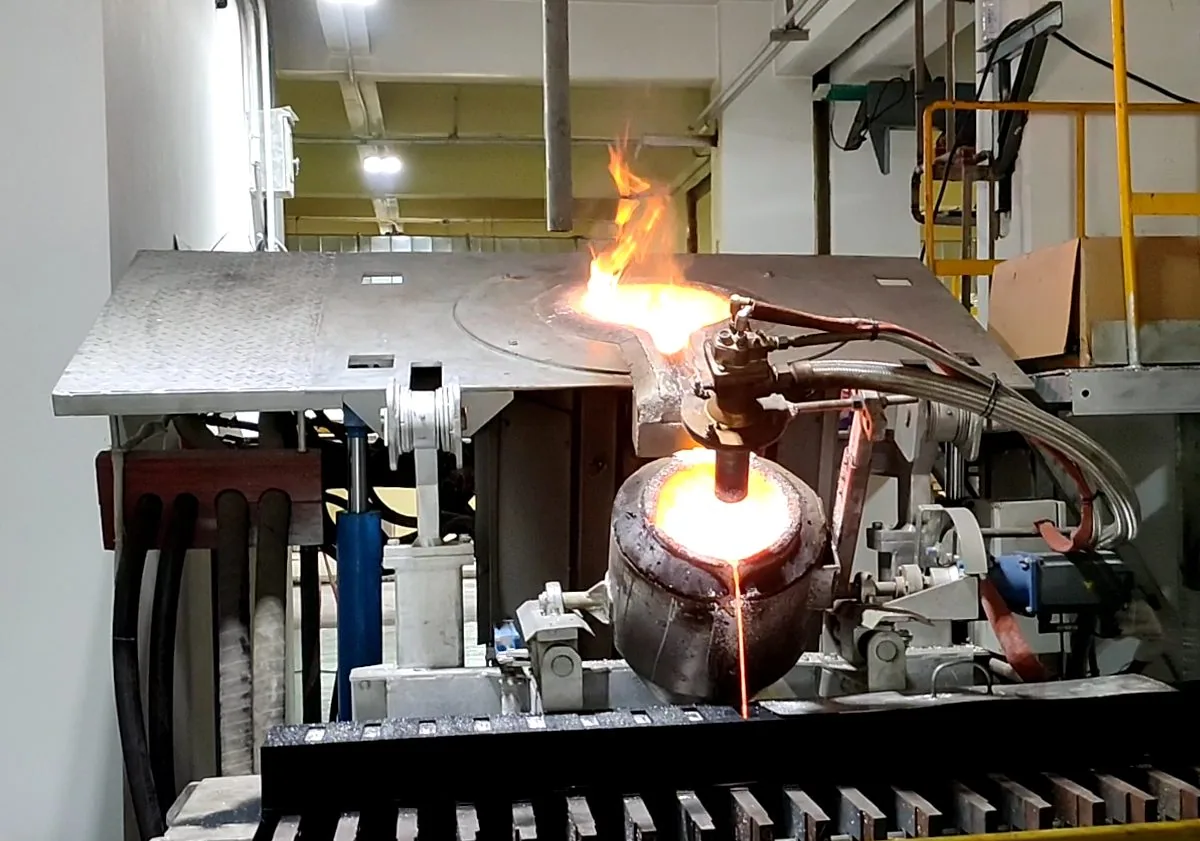
Linear Silver Ingot Casting Machine
For pure silver ingot producers, casting 15 kg ingots: silver powder melting, deoxidation, casting, post-treatment (washing, grinding, marking) and palletising in one line.
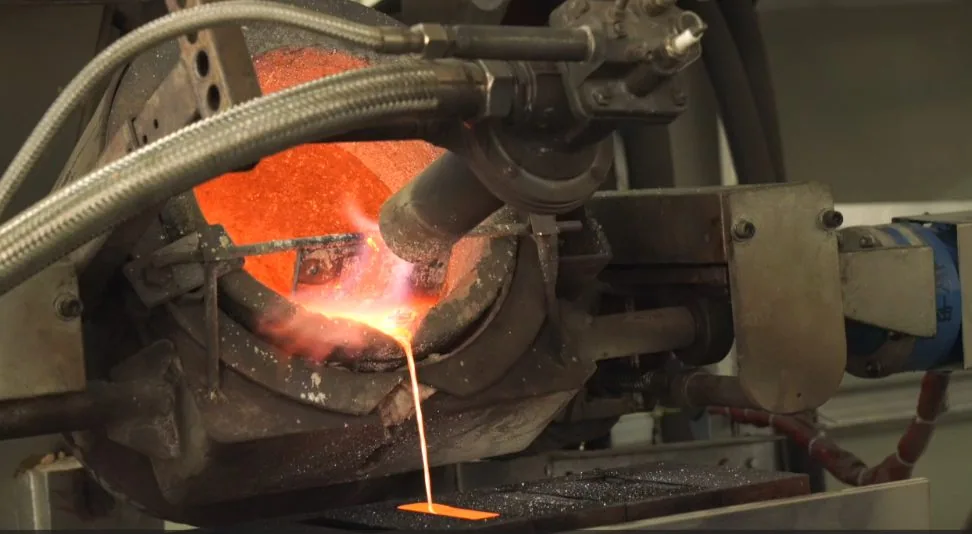
Linear Silver Ingot Casting Machine (15 kg / 30 kg Dual-Purpose)
One machine, two ingot sizes.
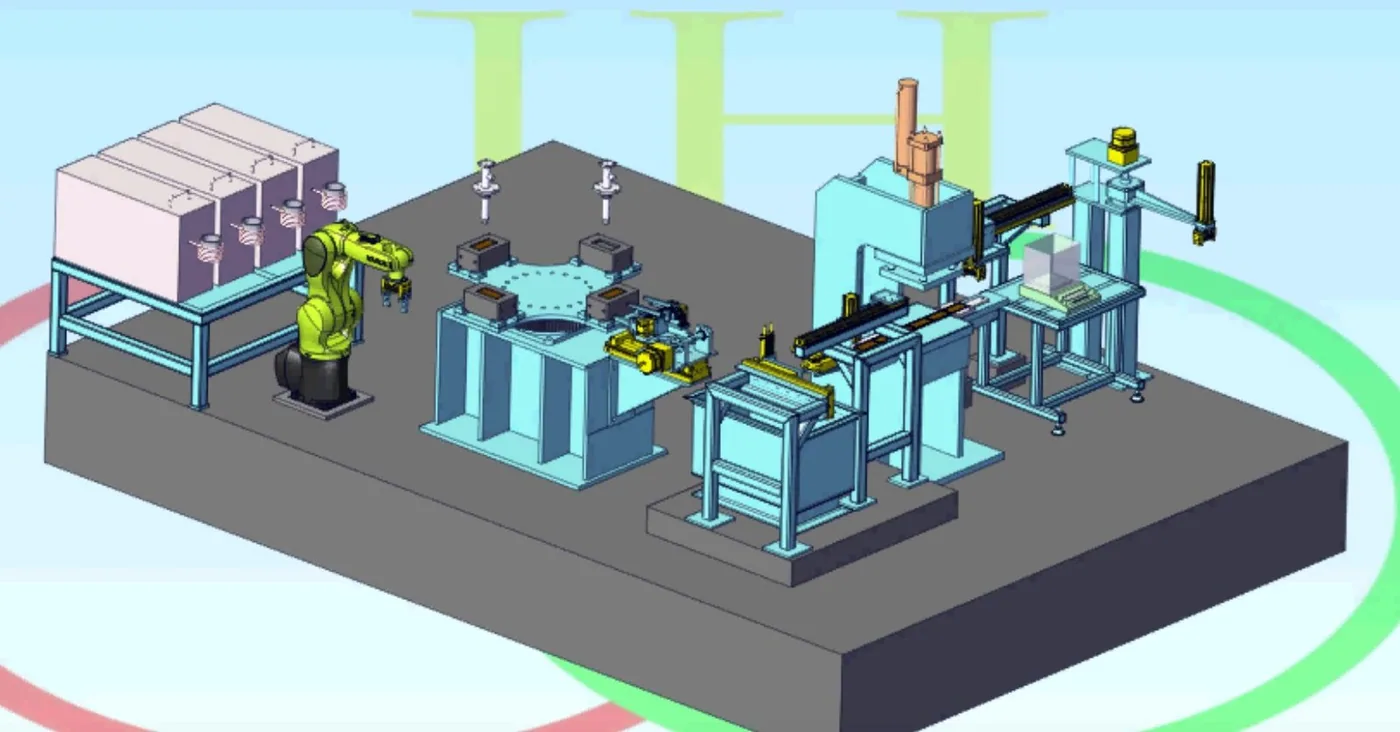
Automatic Gold Ingot Casting Machine
Automated equipment for precious-metal casting, using vacuum or pressure technology for loss-free, oxidation-free ingot forming.
Send us your specification
Tell us the metal, anode or ingot weight, and required output. An engineer will reply within one business day with a configuration and a quotation.