
Silver Anode Casting Equipment: Disc Vertical Mould or Linear Machine?
Silver anode plates from 11 to 45 kg at ±1 kg accuracy. Disc vertical-mould, linear horizontal or linear vertical — how to choose silver anode casting equipment.
Silver anodes are cast to feed the electrorefining circuit, and the specification is tight: plate weight within ±1 kg, flat faces with no scabs or fins, and lifting eyelets formed in one pass so the plate can be hung in the cells without a drilling station behind the machine. ZXSZ supplies three machine types across an 11–45 kg plate range — vertical-rotary disc vertical-mould machines in two generations, a linear horizontal machine and a linear vertical machine.
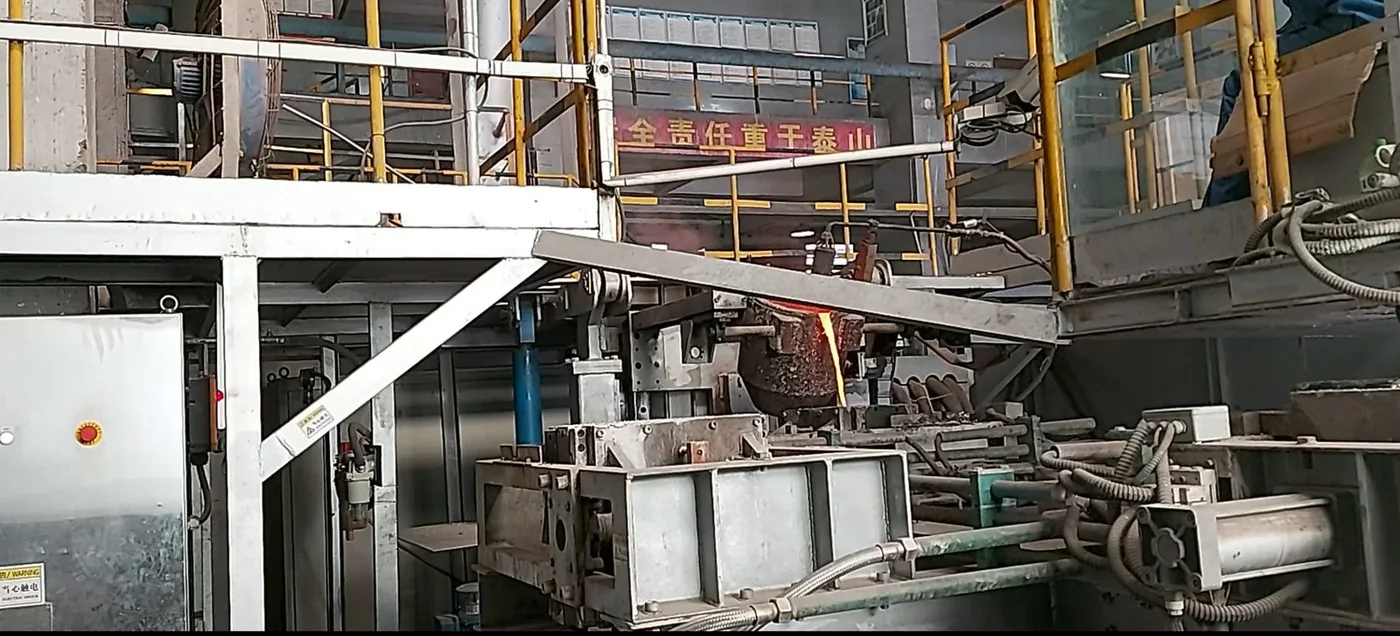
The three machine types
| Type | Plate weight | Weight accuracy | Output | Best fit |
| Vertical rotary, Generation I | 11–45 kg | ±1 kg | Operator controls ladle tilt, disc indexing and mould open/close | Smaller refineries, flexible batch work |
| Vertical rotary, Generation II | 17 ±1 kg | ±1 kg | Continuous, up to 10 t of silver output, four or more mould stations | Large refineries running one plate size |
| Linear horizontal | 11–45 kg | ±1 kg | Up to 45 plates/h at 45 kg (2.0 t/h) | High, steady output on caterpillar moulds |
| Linear vertical | 11–45 kg | ±1 kg | Adjustable plate sizes, integrated environmental equipment | Low oxidation, consistent plate dimensions |
The Generation I machine leaves ladle tilt, disc indexing and mould open/close in the operator's hands, which keeps the investment down and suits batch work where silver release varies day to day. The Generation II machine automates the same cycle around a single plate size — 17 ±1 kg, four or more mould stations, up to 10 t of continuous silver output — and is the configuration delivered to Henan Yuguang Gold & Lead. Both form the lifting eyelets in a single pass, so no downstream drilling is needed.
The linear machines trade the rotating table for continuous casting: silver is dosed into caterpillar-type moulds and casting, cooling and stripping run without interrupting, which is how the horizontal machine reaches up to 45 plates/h at 45 kg (2.0 t/h). The vertical variant adds integrated environmental equipment meeting industrial emission standards and low-oxidation technology that reduces metal loss, with consistent plate dimensions for stable downstream electrolysis.
Choosing by plate weight
The plate weight comes from your refining flowsheet, not from the machine catalogue: 17 kg is the classic silver anode and the weight our Generation II machine is built around, 18 kg machines run for Chenzhou Jingui Silver Industry, 24 kg complete equipment was delivered to Yongxing Guiyan Resources, and the largest disc vertical-mould machine on our list casts 45 kg plates for Serbia Zijin Copper. If your weight sits between these figures, the 11–45 kg band covers it — plate size is set by the mould, not by a different machine.
Choosing by output and melt supply
Furnace capacity across the range is 500–4,000 kg, and it has to be read against the machine's hourly rate rather than the furnace's nominal size: a large furnace with a slow machine just holds metal longer. Silver reaches the pouring ladle at around 1,150–1,200 °C, so melt supply and holding time are part of the layout decision. Disc vertical-mould machines keep several plates in cooling at once on the rotating table; linear machines need a steady stream instead. Decide which of those two behaviours matches how your refinery releases silver.
Delivered silver anode projects
| Plate weight | Machine | Customer |
| 17 kg | Silver anode disc vertical-mould casting machine | Henan Yuguang Gold & Lead Co., Ltd. |
| 18 kg | Silver anode automatic casting machine | Chenzhou Jingui Silver Industry Co., Ltd. |
| 24 kg | Silver anode casting complete equipment | Yongxing Guiyan Resources Co., Ltd. |
| 45 kg | Silver anode disc vertical-mould casting machine | Serbia Zijin Copper d.o.o. |
Selection checklist
Silver ingot casting is a separate line with its own selection questions — see 15 kg vs 30 kg silver ingot casting machines and the silver refining equipment line for how washing, conveying, melting and casting fit together. Send us your plate weight and shift target — we will come back with a configuration.
Related equipment
Vertical Rotary Silver Anode Casting Machine (Generation II)
Disc-type casting with rotating mould stations for continuous production of 17 kg silver anode plates, intended for large-scale precious-metal refining.
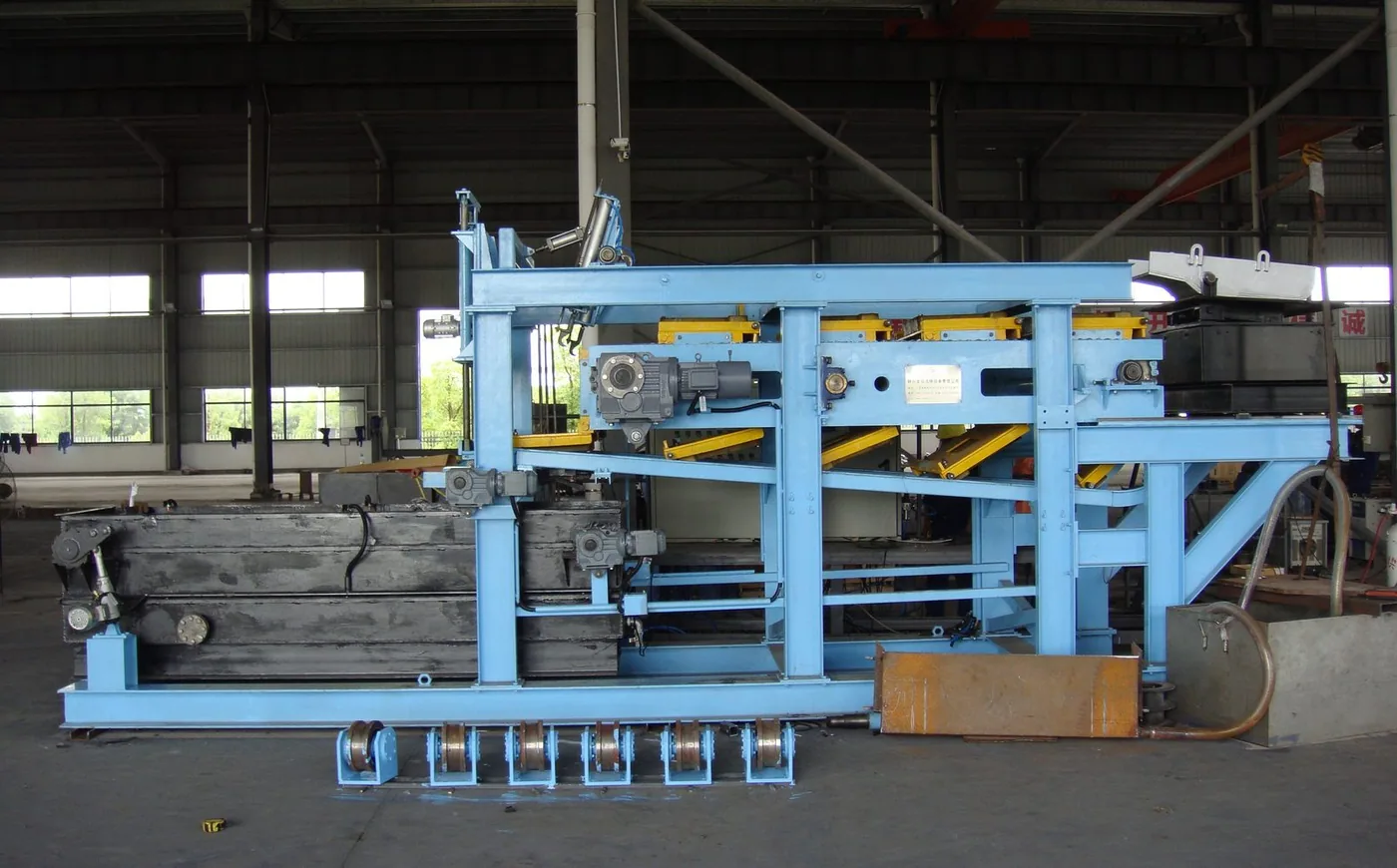
Linear Horizontal Silver Anode Casting Machine
A fully automatic continuous casting machine for precious-metal refining.
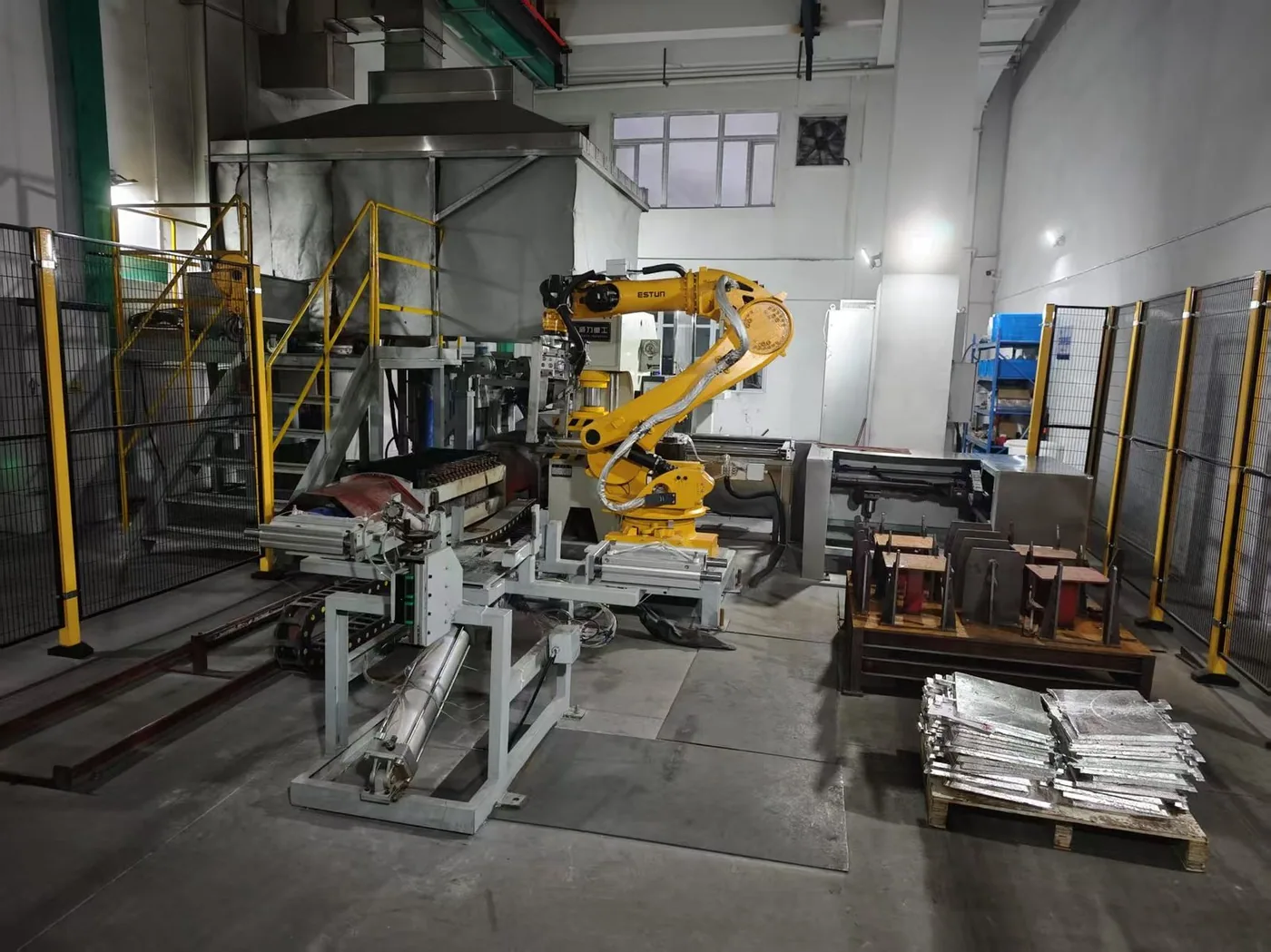
Linear Vertical Silver Anode Casting Machine
Automated linear casting equipment dedicated to precious-metal refining.
Send us your specification
Tell us the metal, anode or ingot weight, and required output. An engineer will reply within one business day with a configuration and a quotation.